- HOME
- HR insights
- The role of HRMS in the food and beverage industry
The role of HRMS in the food and beverage industry
- Last Updated : February 27, 2026
- 385 Views
- 3 Min Read

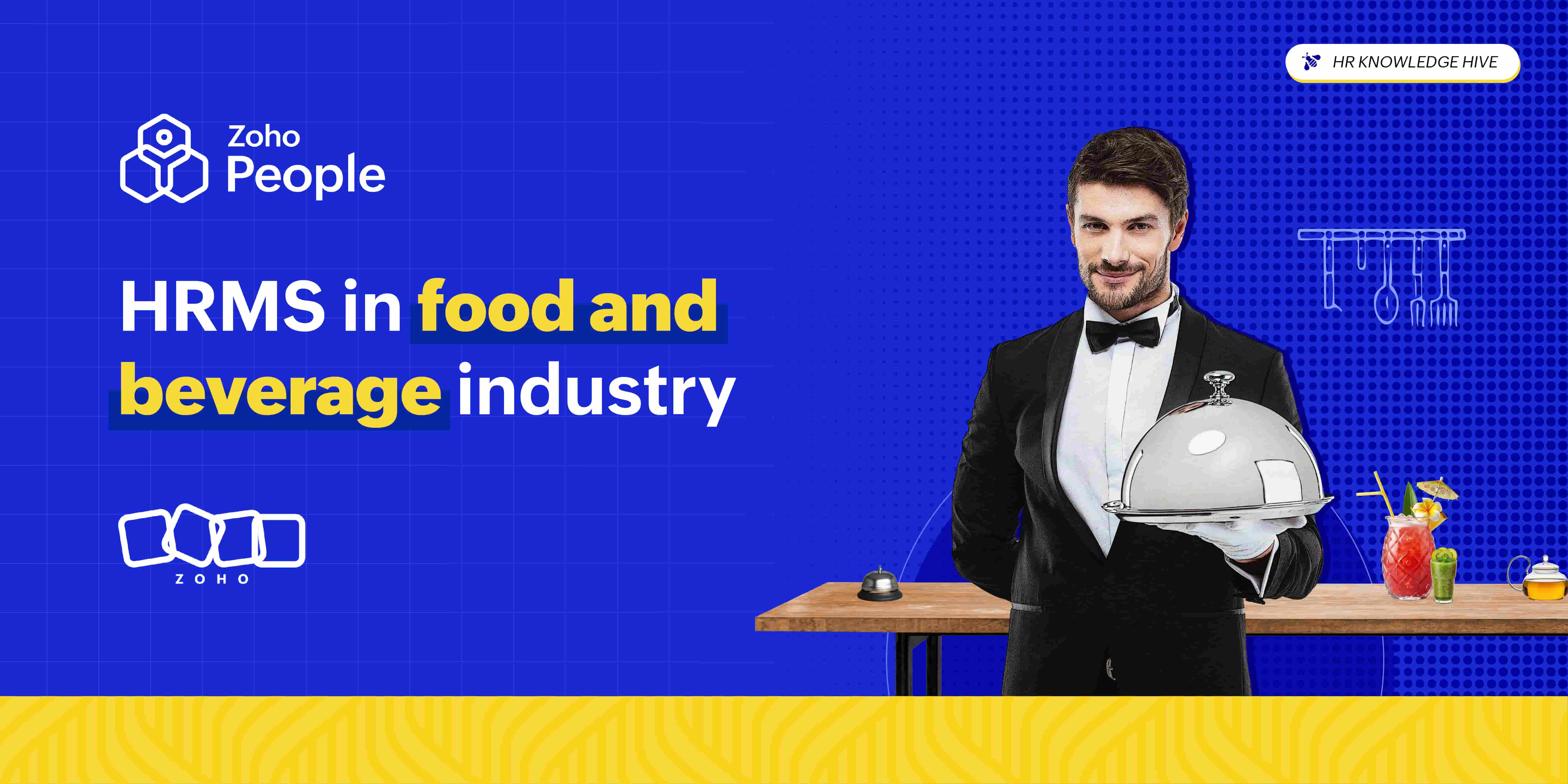
The food and beverage (F&B) industry is one of the most people-driven industries in this job market. With its fast-paced operations and high turnover, managing employees requires precision, coordination, and agility.
Success in this area starts with employee satisfaction, but employers can't focus on people and performance if they're drowning in endless paperwork, error-prone spreadsheets, and manual tasks. With the right HRMS, organizations can keep the team motivated, make informed decisions, and focus on what truly matters: building a great team and delivering impressive customer experiences.
How an HRMS supports F&B businesses
Recruitment and turnover
The F&B industry experiences high employee turnover rates. Long shifts, physically demanding work, and comparatively low pay can leave employees exhausted by the end of each shift. Meeting high customer expectations while maintaining service quality adds to the pressure.
An HRMS helps employers keep up by streamlining recruitment, from job postings to digital onboarding. It offers an easier way to maintain a talent pool and track turnover rates, so organizations can identify patterns and address the root cause.
Scheduling multiple shifts
Organizing multiple shifts for various outlets during peak times, weekends, and holidays can be cumbersome when done manually. Employers often juggle between several spreadsheets, which causes conflicts, gaps, and related issues.
An HRMS helps automate shift scheduling to minimize conflicts, assign employees to every station, and prevent the need for follow-up calls. Staff can also receive their schedules directly through the platform, reducing miscommunication.
Managing payroll and attendance
In industries where a large proportion of workers are paid hourly, accurate payroll is essential. When one calculation error occurs, it can damage an employee's trust in their employer and lower morale.
An HRMS integrates attendance tracking with payroll processing so that hours are calculated accurately. For instance, if an employee has just worked an extra shift on a public holiday, the HRMS will automatically calculate their hours using the holiday pay rate. This avoids manual intervention and ensures accuracy.
Managing compliance
Staying compliant with labor laws, health and safety regulations, and other statutory requirements across multiple locations—especially with a large, mixed workforce—is a significant challenge.
An HRMS helps centralize all compliance records and flags potential violations before they become a problem. It can also generate reports that are ready for audit at any time.
Managing contractual workers
Seasonal demands require temporary staff, and managing these workers alongside permanent employees can quickly become chaotic. Without a dedicated system, contracts may be misplaced, onboarding can become inconsistent, and payments can fall through the cracks.
An HRMS handles the full lifecycle of temporary staff, from contract generation and document collection to shift assignment and final payment, in one place. This makes it much easier for employers to onboard new hires, schedule employees, and process payments.
Bridging communication gaps
Communication gaps between employees and management are quite common, especially when employees work different shifts and locations. Important changes like new policy updates can go under the radar without proper communication
With an HRMS, employers can share announcements, policy updates, and operational notices through a centralized platform, so everyone stays aware of key information.
Wrapping up
The food and beverage business is fast-paced, and managing employees is just as important as providing high-quality food and services. Manual HR processes can't keep up with high turnover rates, complicated shift scheduling, strict compliance requirements, and a blend of permanent and temporary staff.
An HRMS reduces errors and minimizes the administrative burden, providing managers with the right tools and insights they require to create a more engaged, resilient workforce.