Introducing AI-powered Review Keywords

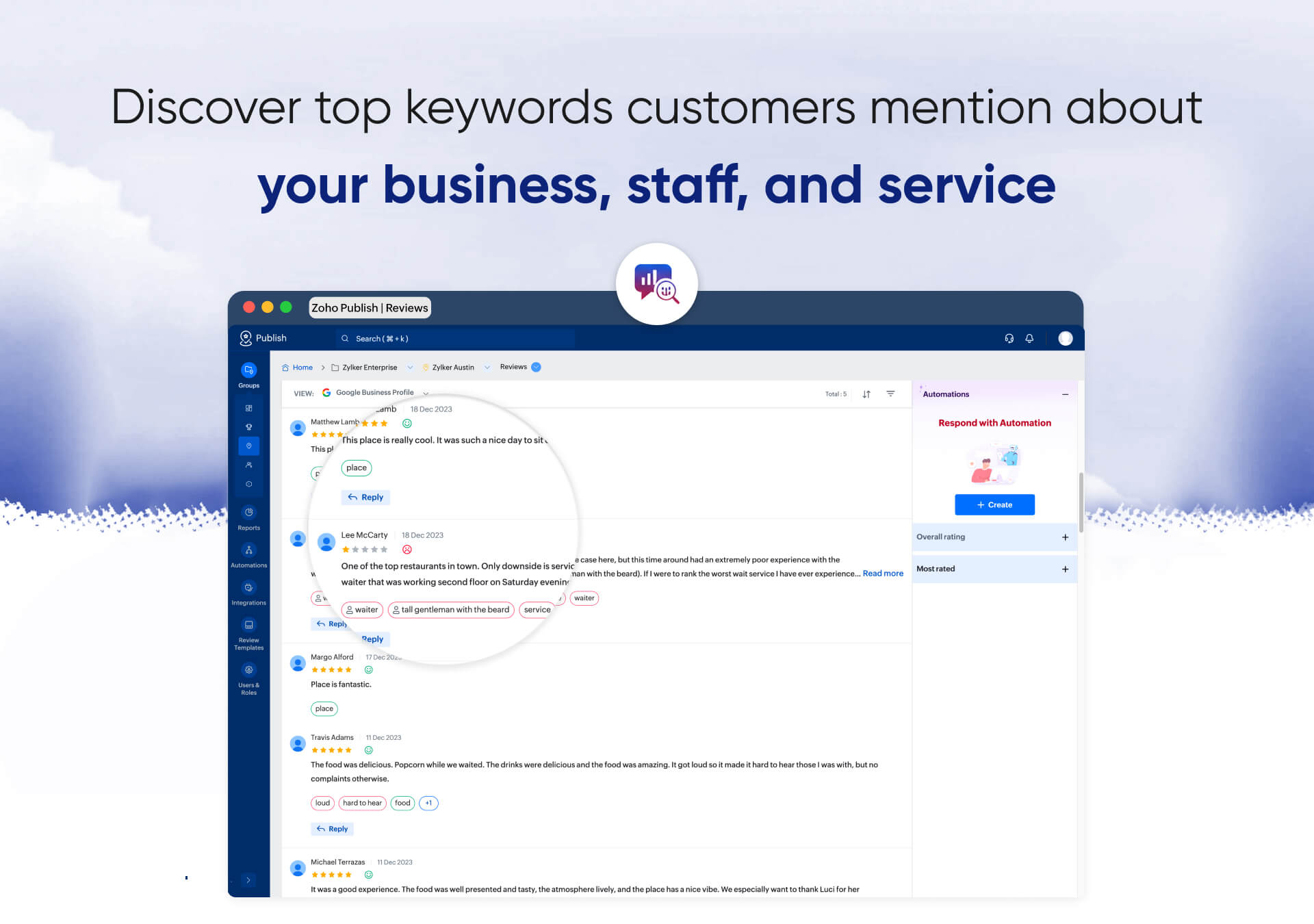
Customer reviews are full of insights. They reveal what people love, what frustrates them, which employees create memorable experiences, and where operations may be falling short. But as review volume grows, finding those insights becomes harder.
Most teams do not have time to read hundreds or thousands of reviews manually. Even when they do, important trends are easy to miss.
That is exactly why we built AI-powered Review Keywords.
This feature automatically analyzes reviews, identifies repeated mentions and customer opinions, and organizes them into meaningful keywords, helping teams quickly understand what customers consistently talk about without going through every review one by one.
Reviews contain more business insights than most teams realize
A customer may leave a simple review like:
“Food was great, but the wait time was too long.”
Another might say:
“Reception staff were very helpful.”
And another:
“Loved the quick service and clean environment.”
Individually, these reviews are useful.
But when similar comments start appearing repeatedly across locations, platforms, or time periods, they become valuable business insights.
That is where Review Keywords makes a difference. Instead of treating reviews as isolated comments, the feature automatically groups similar customer experiences into meaningful topics and trends.
What are Review Keywords?
Review Keywords uses AI to scan reviews and identify repeated words, themes, and customer experiences.
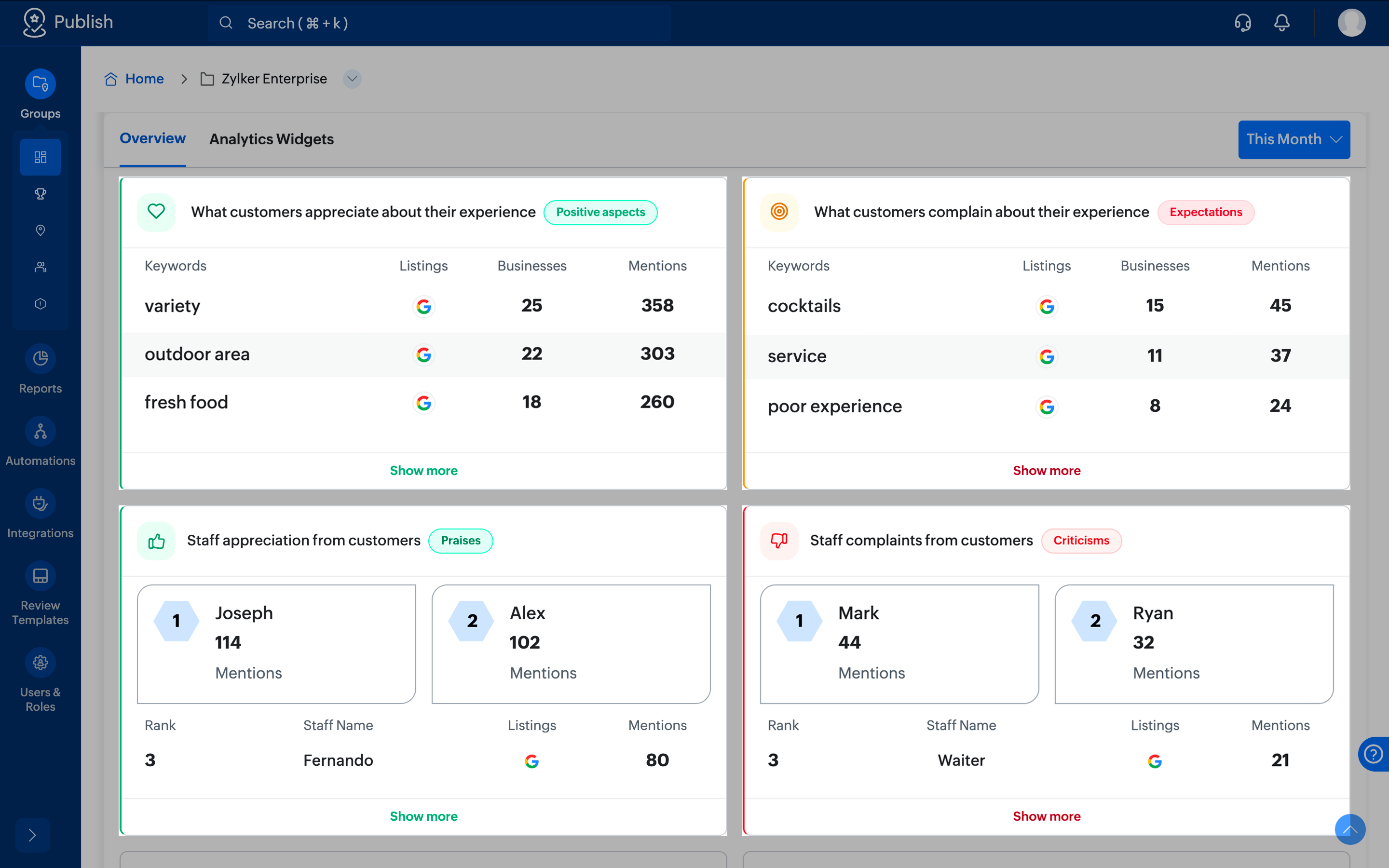
It helps teams quickly understand:
What customers frequently appreciate
What customers repeatedly complain about
Which staff members do customers frequently praise
Which staff members do customers repeatedly criticize
Rather than manually analyzing every review, teams get a clearer understanding of customer perception within seconds.
The problem with manual review analysis
Most companies already know reviews matter. The challenge is no longer collecting reviews. The real challenge is understanding them at scale.
As review volume increases, teams often run into common problems.
Important insights get buried before anyone notices them. Decisions start relying on assumptions instead of actual customer experiences. For multi-location brands, tracking customer perception across every branch becomes difficult and time-consuming.
Positive mentions also get overlooked. Teams miss opportunities to recognize employees, repeat successful practices, or understand what customers value most.
As a result, review management often becomes reactive. Issues are noticed only after ratings begin dropping. Review Keywords solves this by turning scattered reviews into organized and actionable insights.
How AI-powered Review Keywords helps teams
Spot customer trends instantly
Instead of reading reviews individually, teams can quickly identify common themes across customer experiences.
This may include repeated praise for customer service, growing complaints about wait times, increasing mentions about cleanliness, or positive comments about pricing and product quality.
Having this visibility makes it easier to understand how customers perceive the business overall and where improvements may be needed.
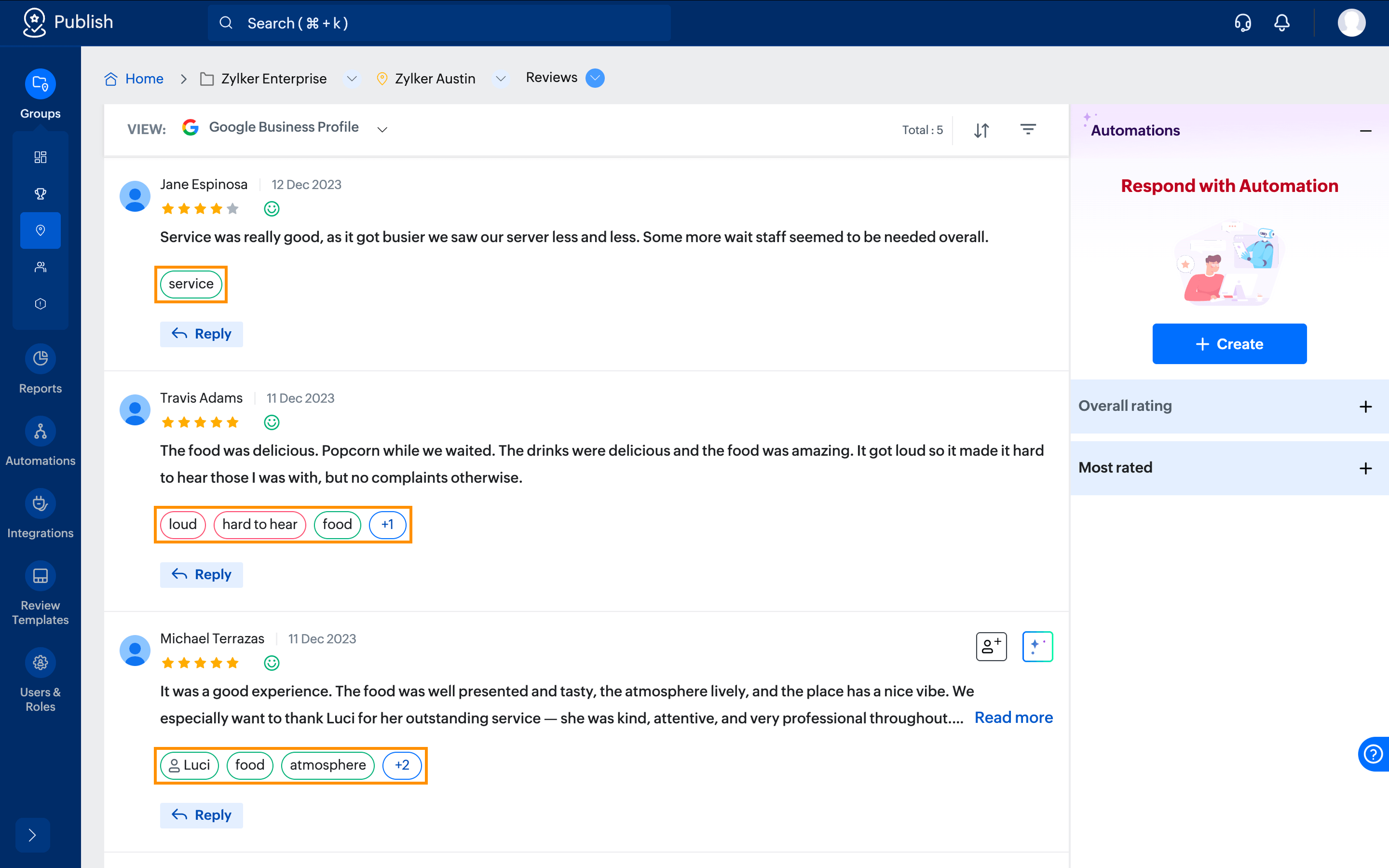
Recognize and improve employee performance
One of the most valuable parts of reviews is direct comments about staff experiences.
Review Keywords highlights employees who are consistently praised for professionalism, helpfulness, and customer service, while also surfacing repeated negative mentions that may indicate areas needing improvement or additional training.
Managers can use these insights for employee recognition, coaching, performance reviews, and team development.
Note: Staff mentions can also include employee designations or roles mentioned in reviews, helping teams identify which departments consistently create positive or negative customer experiences.
Identify operational issues earlier
Reviews often reveal service-related problems before internal reports do.
Customers consistently mention issues like delayed service, staff behavior, incorrect information, appointment problems, or long queues long before they appear in operational discussions.
Review Keywords surfaces these recurring concerns automatically, making it easier for teams to identify issues early and take action before they begin affecting customer experience and reputation.
Make review management faster and more proactive
Analyzing reviews manually takes significant time, especially for organizations managing multiple platforms and locations.
Review Keywords organizes customer opinions into understandable topics automatically, helping teams quickly identify larger trends and repeated concerns without spending hours reading individual reviews.
This allows teams to act faster, make more informed decisions, and manage reputation more proactively instead of reacting to reviews one at a time.
Why this matters for multi-location brands
For multi-location organizations, review analysis becomes even more challenging.
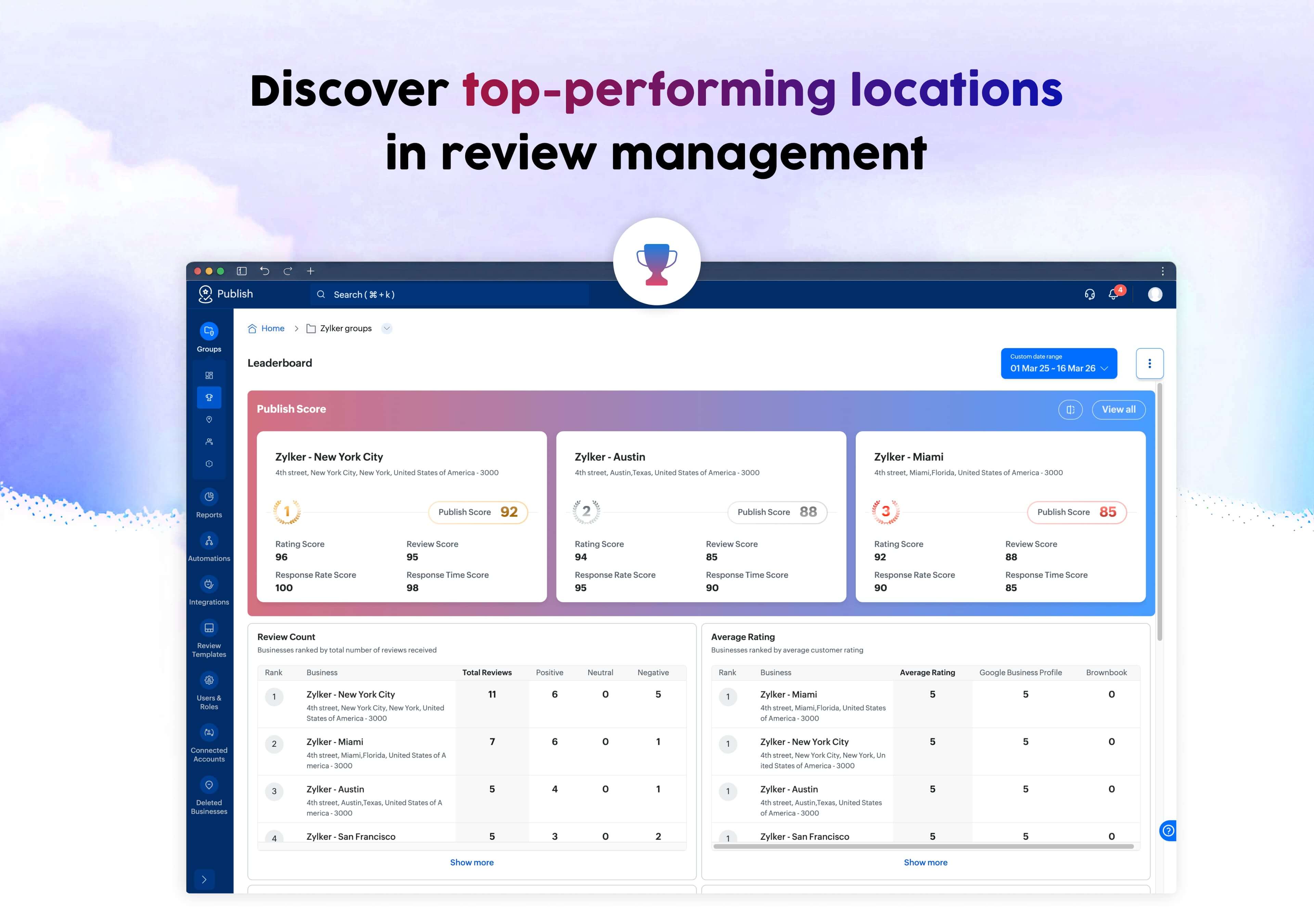
One branch may receive complaints about staff behavior, while another location may be praised for fast service or cleanliness. Identifying these differences across locations manually takes considerable effort.
Review Keywords gives regional managers and operations teams a clearer view of location-specific strengths and weaknesses, helping them make better decisions using real customer insights.
Reviews should help businesses improve, not just improve ratings
Many companies still see reviews mainly as ratings.
But reviews contain valuable business intelligence, including customer expectations, service quality concerns, operational gaps, employee performance insights, and brand perception signals. Review Keywords transforms those insights from passive comments found in reviews into actionable insights teams can actually use to improve customer experience and business performance.
A smarter way to manage reviews and reputation
Effective reputation management is not just about responding to reviews faster. It is about understanding what customers consistently experience and why they feel that way.
AI-powered Review Keywords gives teams a faster way to understand customer perception, identify strengths and weaknesses, uncover recurring concerns, and improve operational decision-making across locations.
The faster organizations understand what customers repeatedly experience, the faster they can improve it. And better customer experiences ultimately lead to stronger reputations, higher trust, and better long-term retention.
Comments